
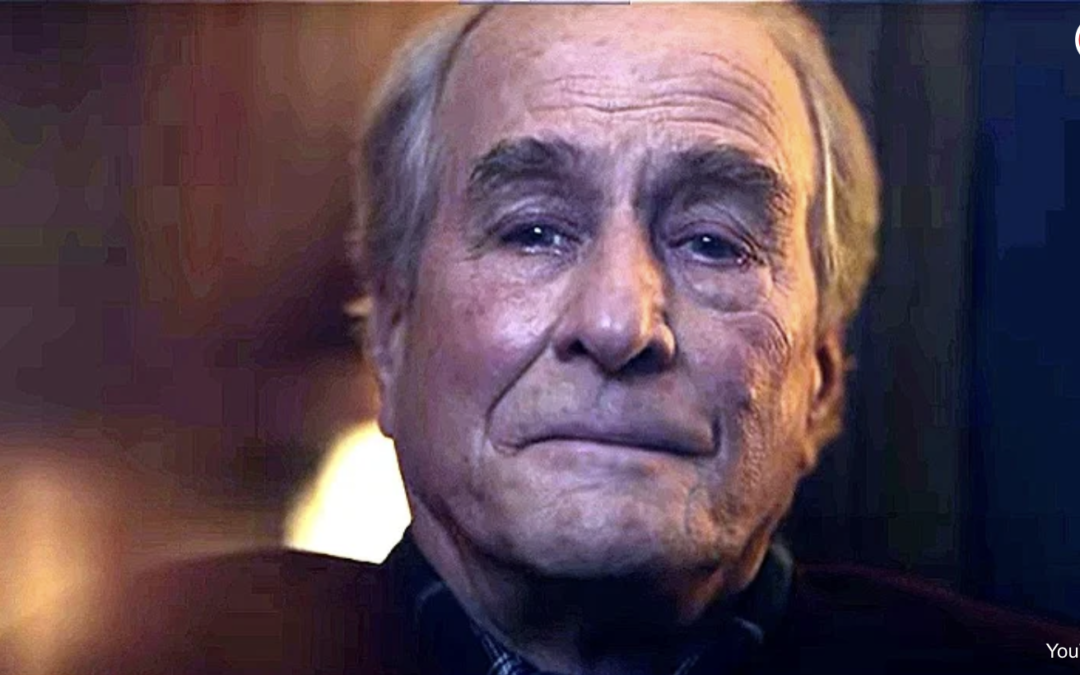
The problem wasn’t the sentiment — it was the certainty. Of course Grandpa gives her a 10. Of course it’s sweet. Of course we feel something. But what if, instead, he gives her a 6? A completely mediocre, borderline rude score that no one saw coming. Suddenly the ad doesn’t just tug your heart — it makes you laugh out loud. And that laugh is what turns a beautiful moment into a moment people keep talking about.
In 2024, Kia aired one of those Super Bowl commercials that checks every emotional box. A little girl gliding across an ice rink. A grandpa watching proudly from inside. Soft lighting, swelling music, and that unmistakable Super Bowl-ad feeling that you’re about to be gently manipulated into tearing up while holding a plate of nachos and a beer.
It was beautiful. It was heartfelt. It was also completely predictable.
That’s the problem with so many modern Super Bowl commercials: brands confuse emotion with impact. They think that if they can make America feel something for thirty seconds, they’ve won. But the Super Bowl isn’t the Sundance Film Festival. This isn’t an indie short designed to quietly move you before you scroll away. This is the loudest advertising stage on Earth, where the ads that live beyond Sunday night are the ones that spark conversation.
Kia’s spot ended with the grandpa writing “10” into the frost on the window, scoring his granddaughter’s performance like she just delivered the skate of the century. It was sweet. It was supportive. It was exactly what everyone expected. And because of that, it was forgotten almost immediately.
A “10” is safe. A “10” is Hallmark. A “10” is the ending that every sentimental commercial lands on when it wants you to nod politely, feel a small ache in your chest, and then go right back to the game. It’s emotional comfort food, and comfort food doesn’t become culture.
Kia had all the ingredients for a moment that could have exploded across the internet, but they stopped short of the one thing that separates a good Super Bowl ad from an unforgettable one: surprise. They had the setup, the warmth, the sincerity — and then they chose the most obvious possible payoff.
Here’s what I would have done differently: keep everything the same. Same little girl. Same grandpa. Same emotional build. And then, instead of writing “10,” Grandpa writes “6.”
A mediocre score. A completely unexpected, borderline rude, hilariously human score.
America would have lost its mind.
People would be texting their friends asking if they saw that. Social media would light up with memes about Grandpa being the toughest judge in the Olympics. Sports radio would debate whether he’s a savage or just honest. TikTok would remix the moment into oblivion. It would instantly become one of the most talked-about ads of the night — not because it abandoned emotion, but because it broke the emotional script.
And here’s the best part: the message still works. In fact, it might land even harder.
Kia’s point was that energy lights the rink no matter what — that the lights come on, the world keeps moving, and you keep showing up. So imagine the subtext if Grandpa gives her a “6.” Even if you’re not perfect. Even if you don’t get a standing ovation. Even if the world doesn’t hand you a “10.” The lights still come on. You still skate. You still shine.
That’s not Hallmark inspiration. That’s real inspiration.
The truth is, brands love to talk about “breaking through,” but most of them are terrified of doing anything that might make someone uncomfortable. They aim for heartwarming. They aim for uplifting. They aim for inoffensive. And they end up with ads that disappear into the giant pile of “nice commercials” by Tuesday morning.
Super Bowl ads don’t become legendary because they’re sweet. They become legendary because they’re bold. Because they take a risk. Because they make you laugh, or gasp, or argue, or immediately turn to someone and say, “Did they really just do that?”
Kia made a beautiful commercial. But they could have made an iconic one. All it would have taken was one unexpected decision. One controversial twist. One grandpa with the audacity to give his granddaughter a six. Then the dismay of the little girl shown on her face as she skates away in the headlights.
Because in Super Bowl advertising, the difference between a great ad and a memorable one isn’t emotion.
It’s conversation.
Hi, this is a comment.
To get started with moderating, editing, and deleting comments, please visit the Comments screen in the dashboard.
Commenter avatars come from Gravatar.